
opening: piątek, 08.05.2026, godz. 19:00
exhibition: 08.05-12.06.2026
organizator:
partners:


place: Galeria Piekary
ul. Św. Marcin 80/82
CK Zamek, Dziedziniec Różany
61-809 Poznań
exhibition open Monday – Friday 10 AM – 6 PM
admission always free
media patrons:

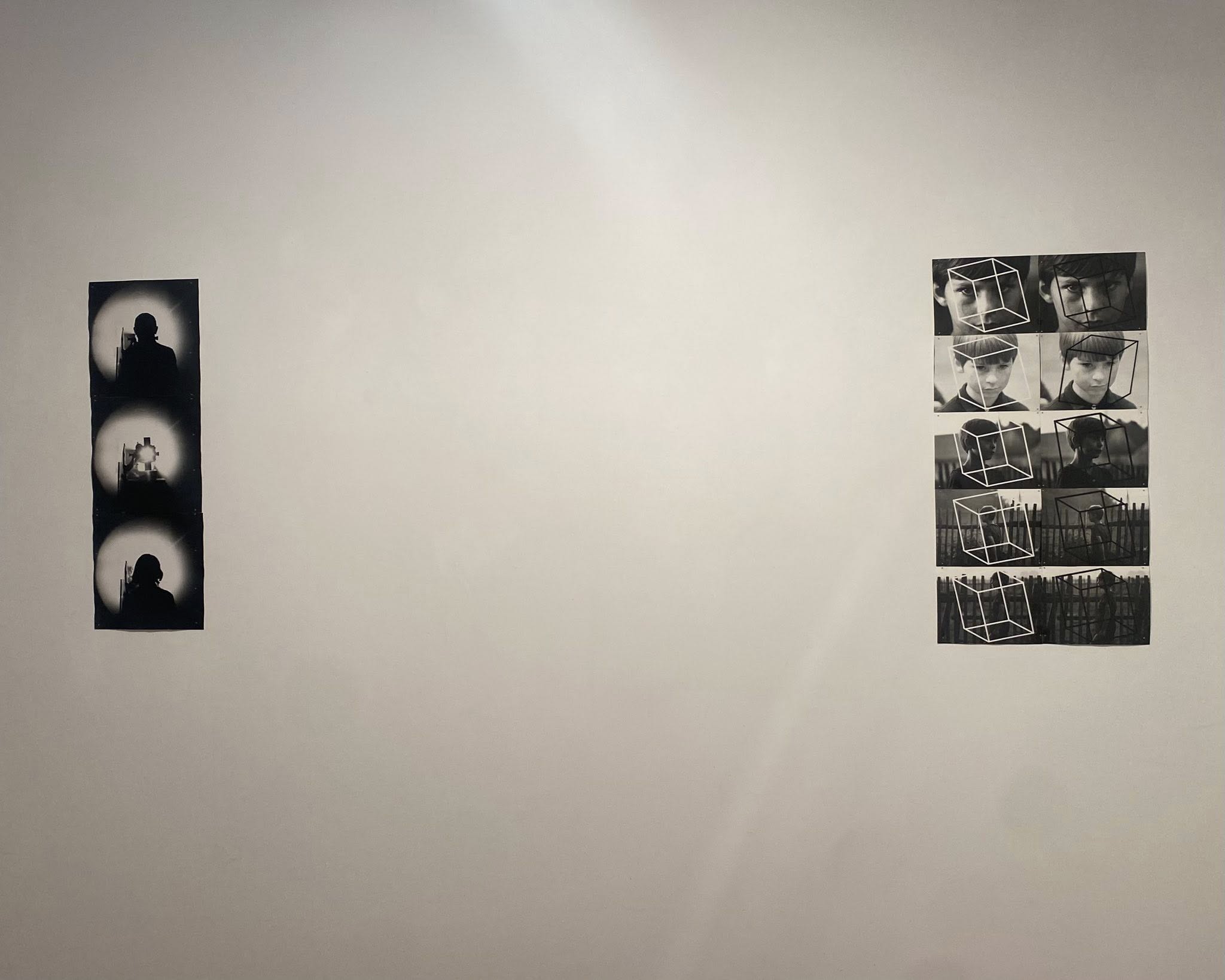
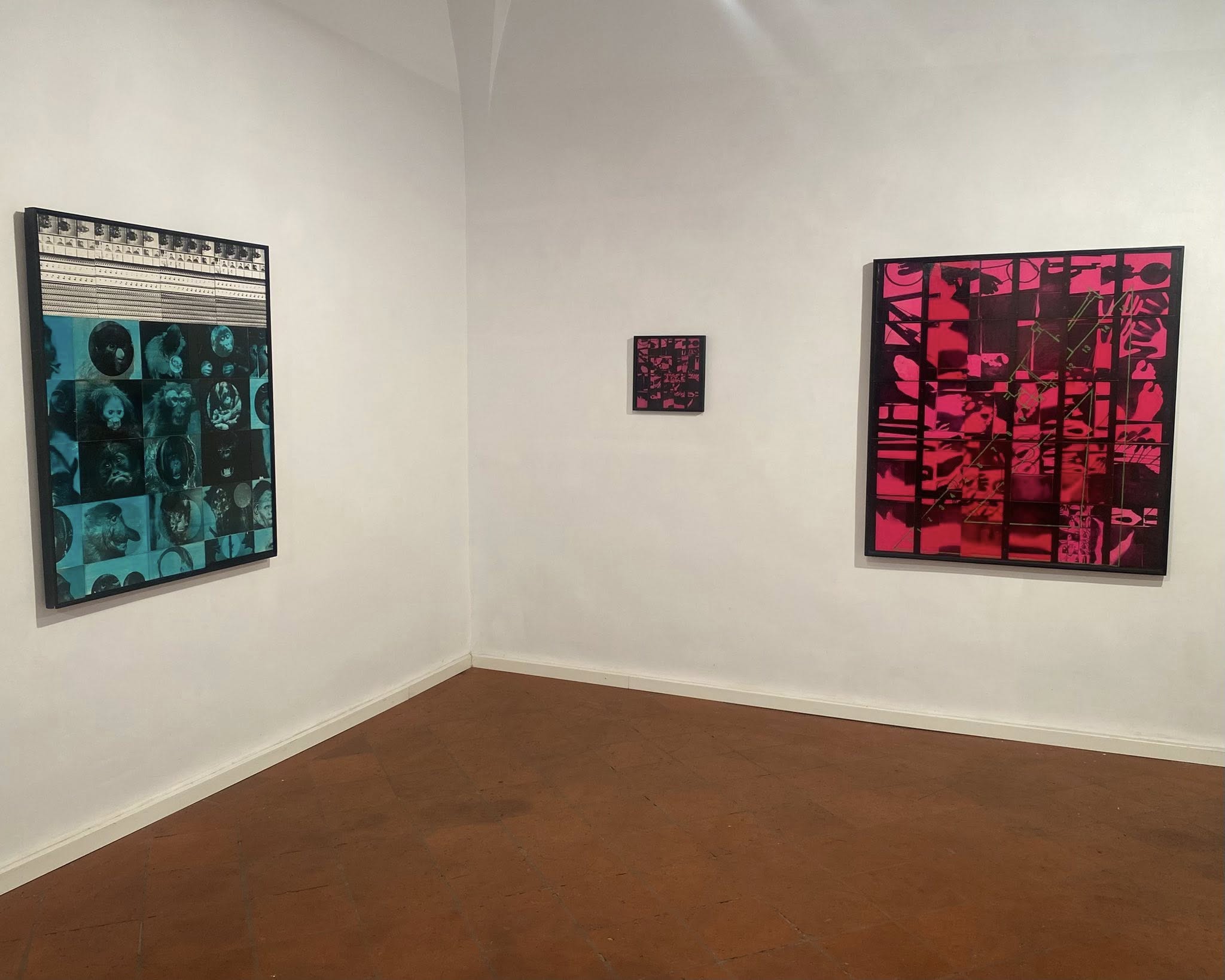
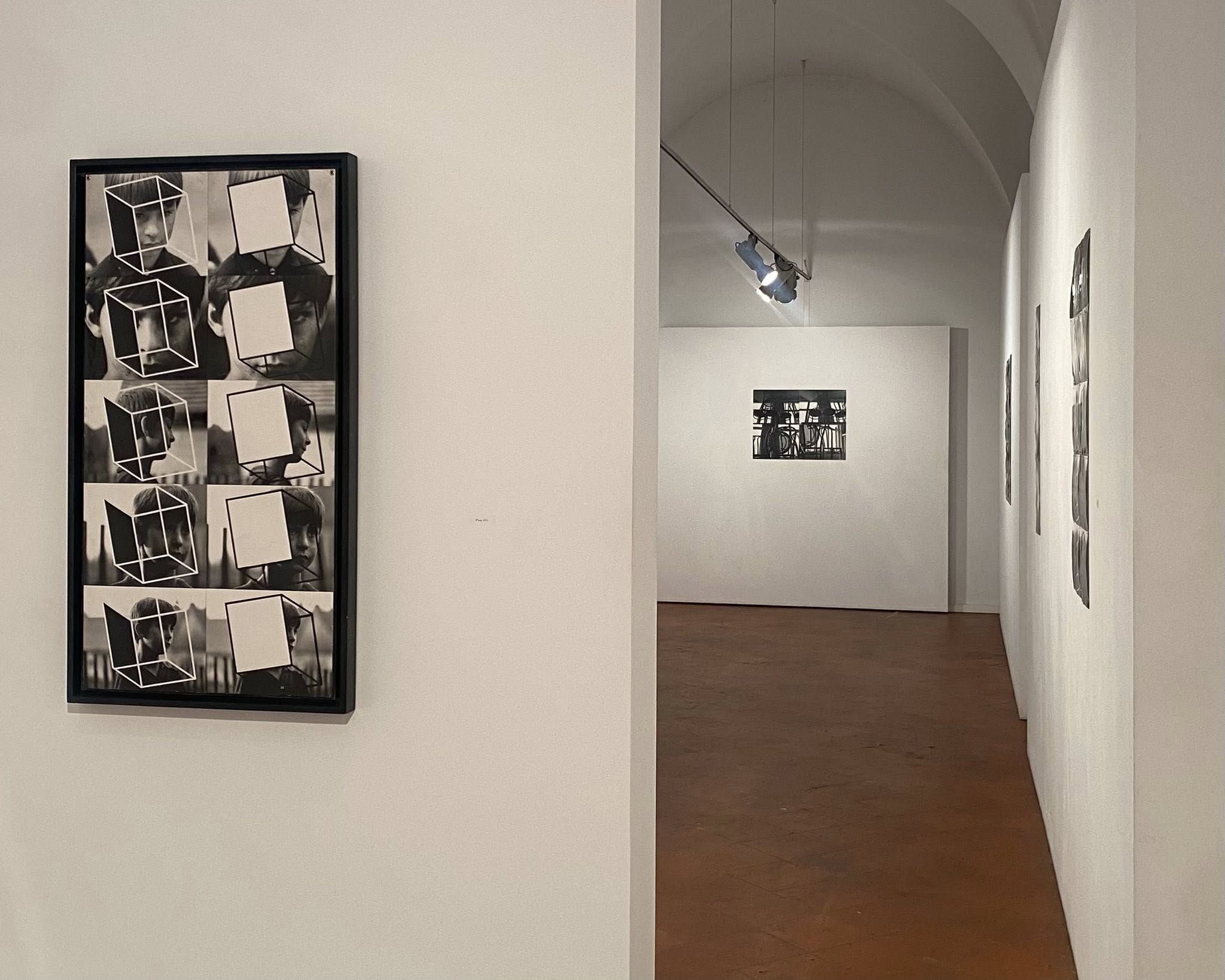
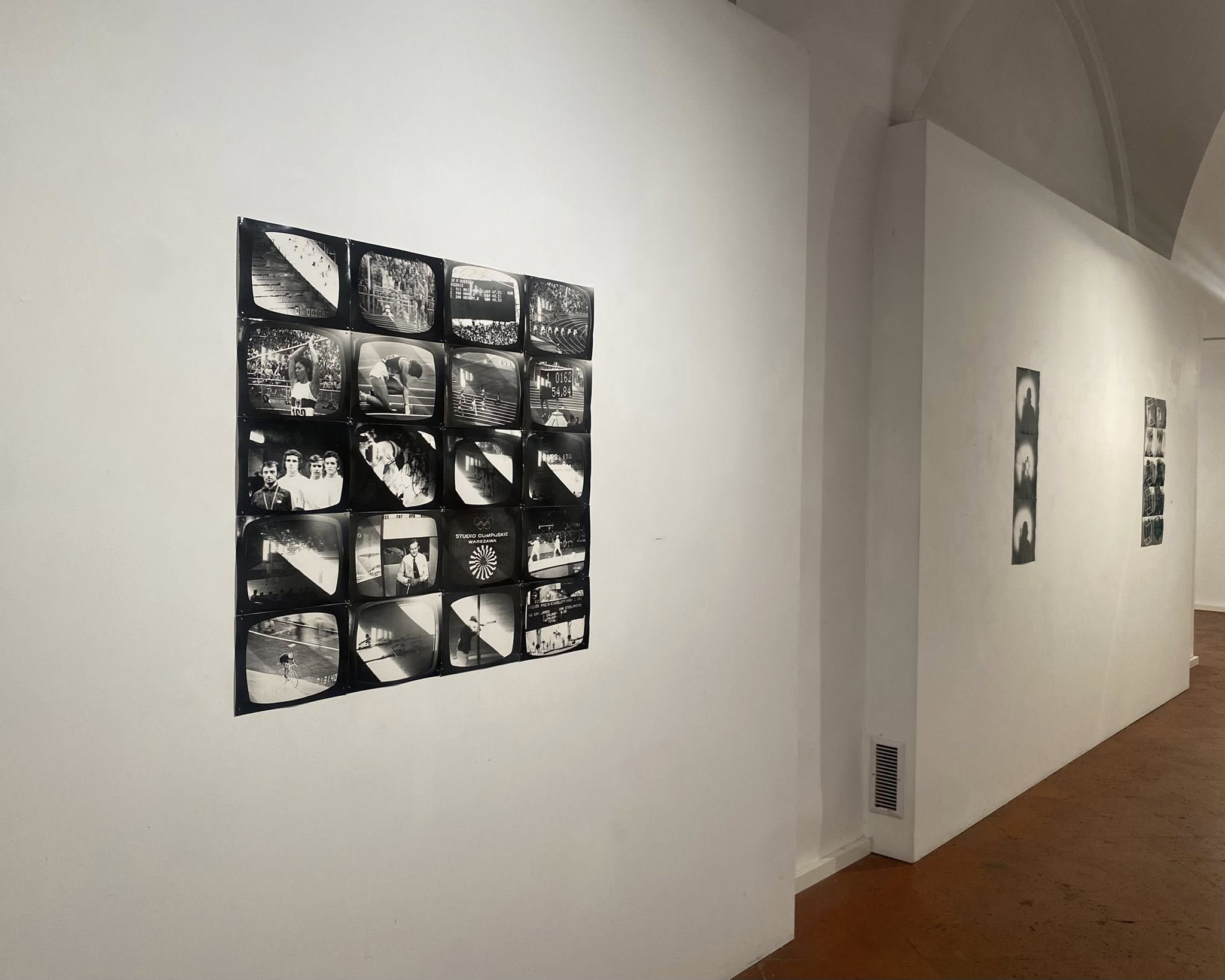
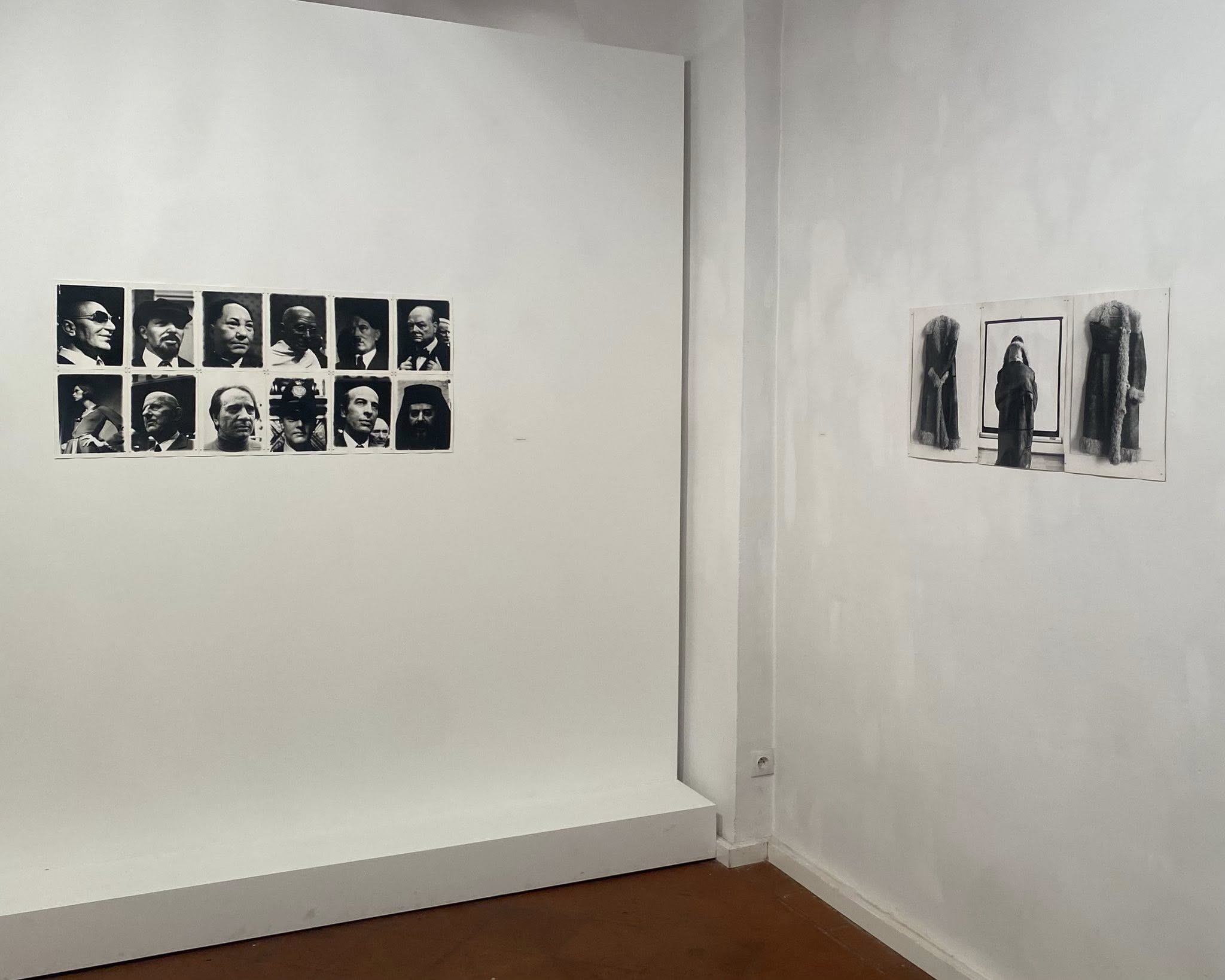
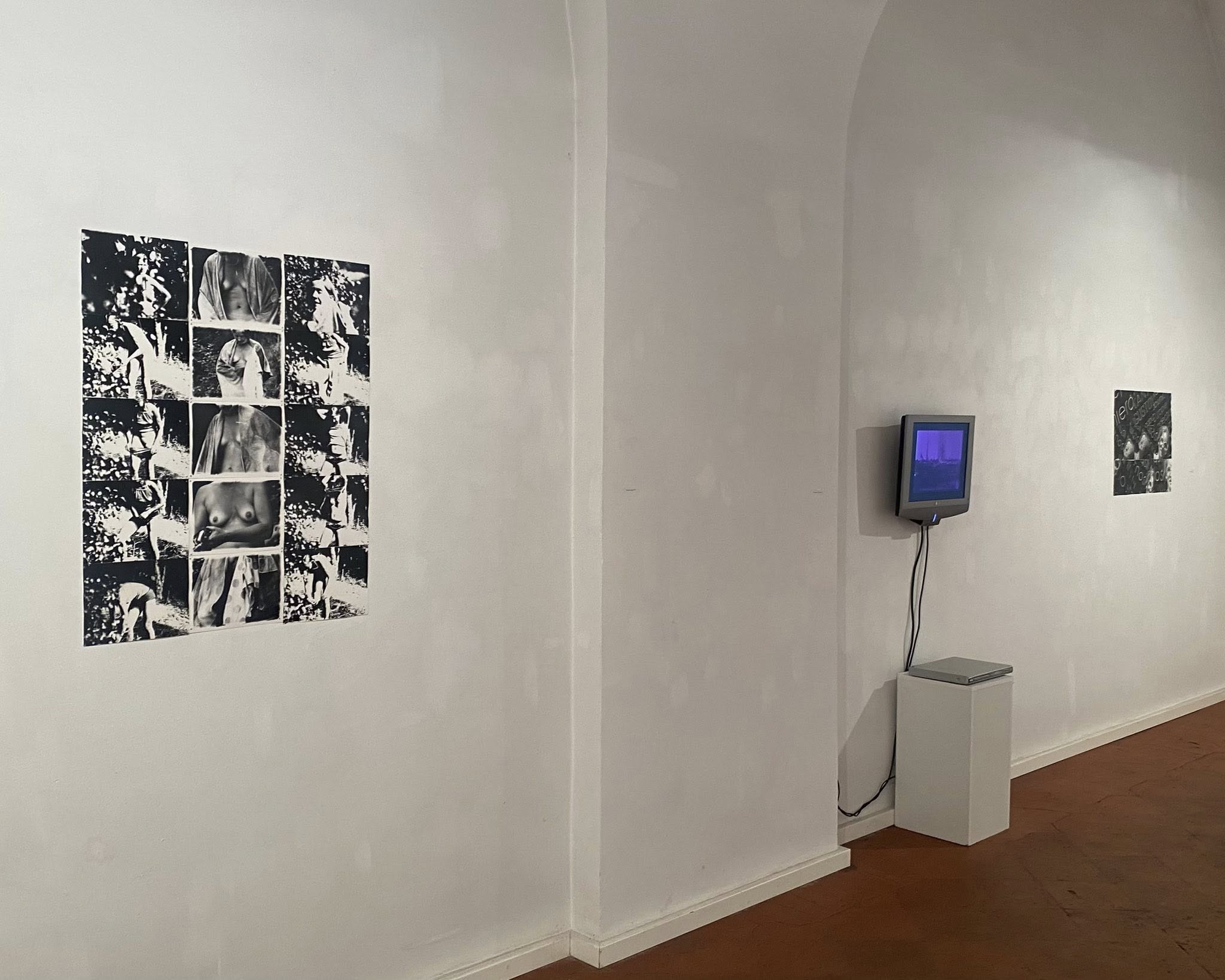
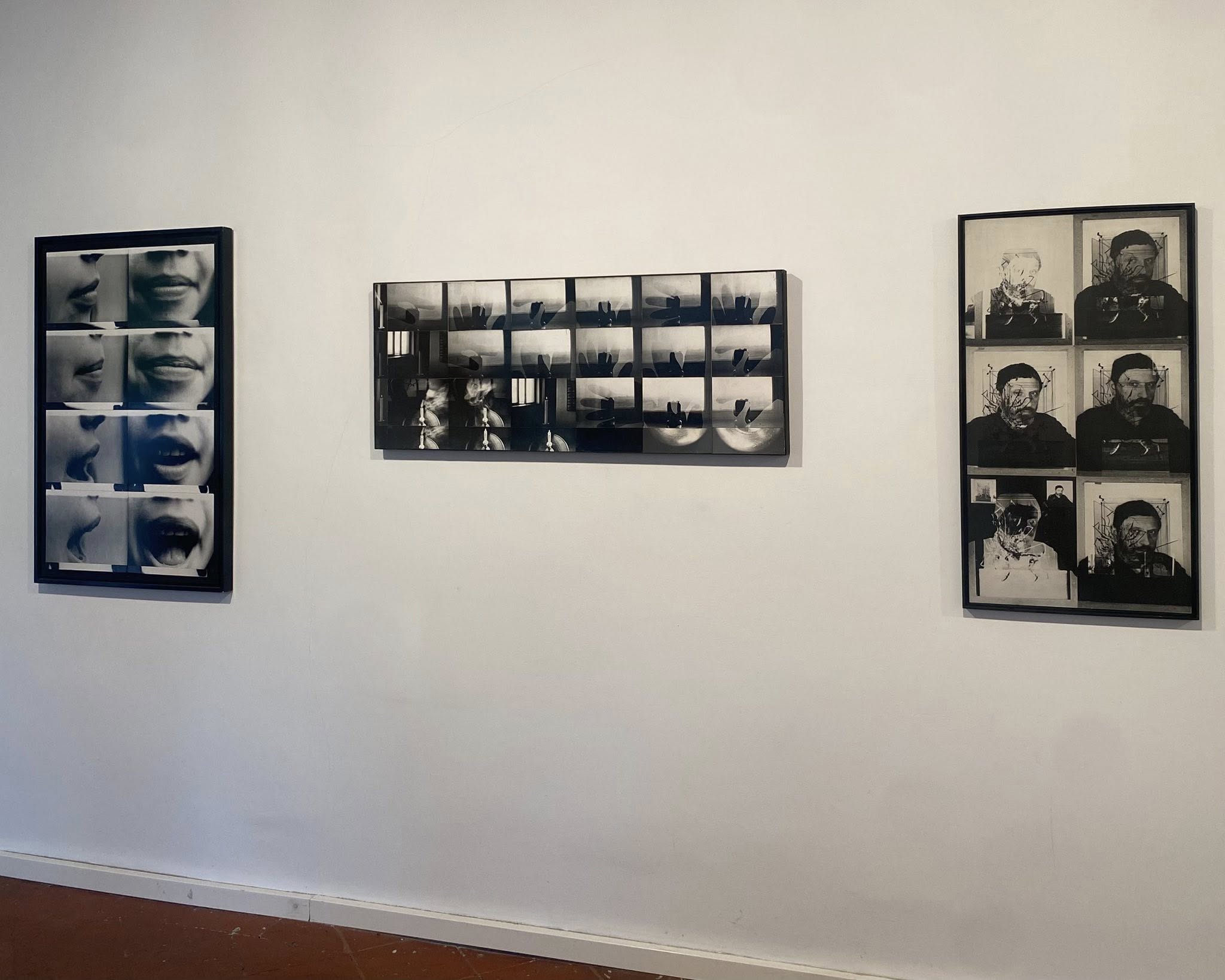
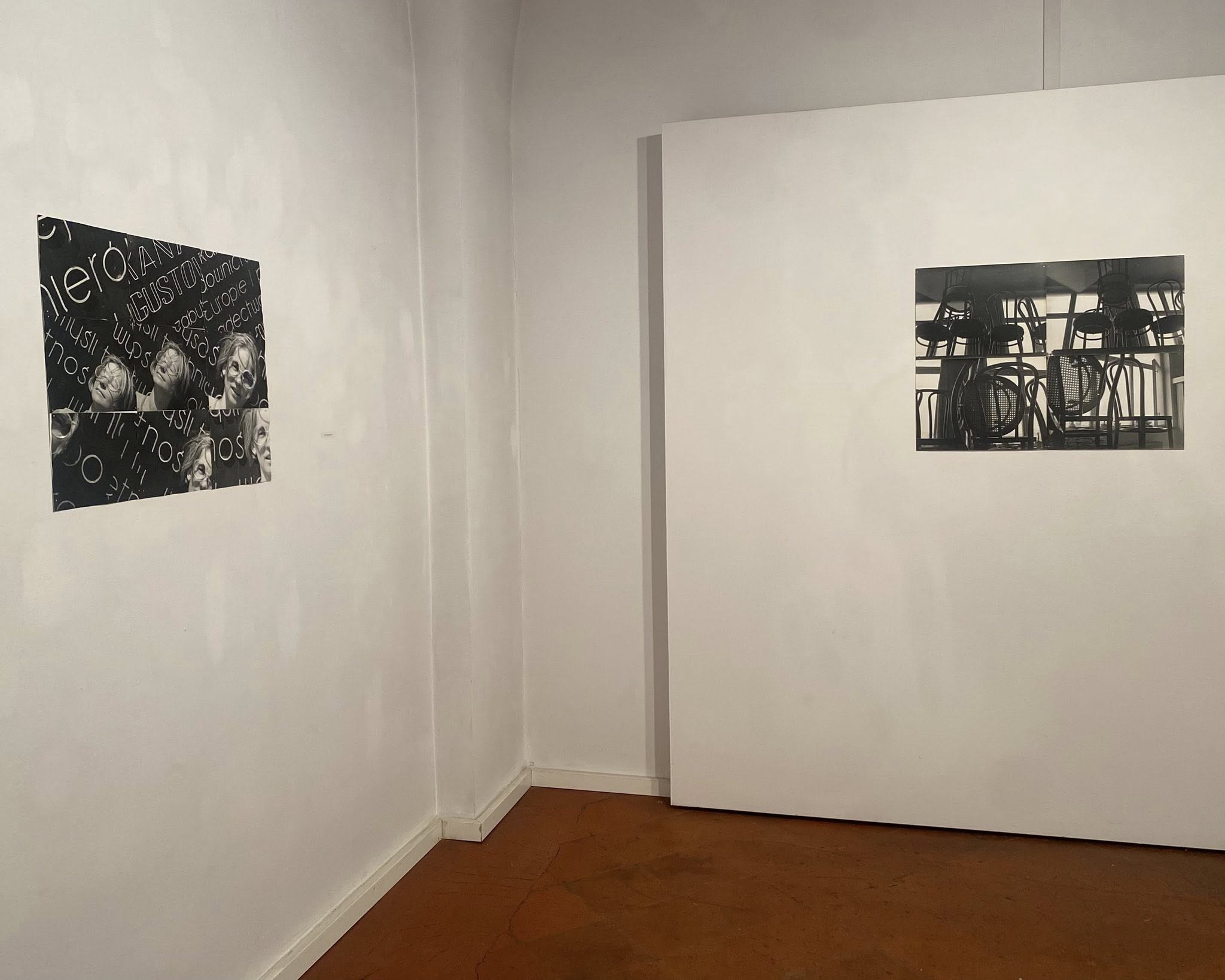
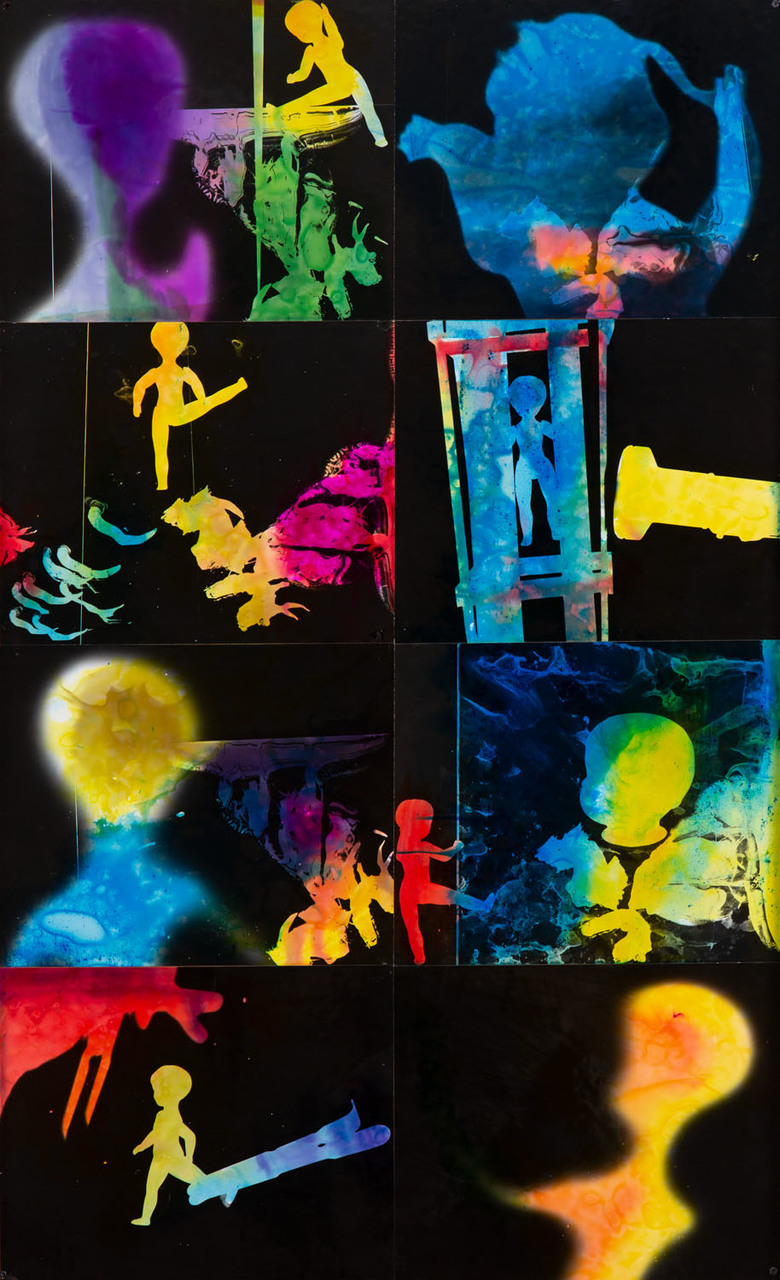
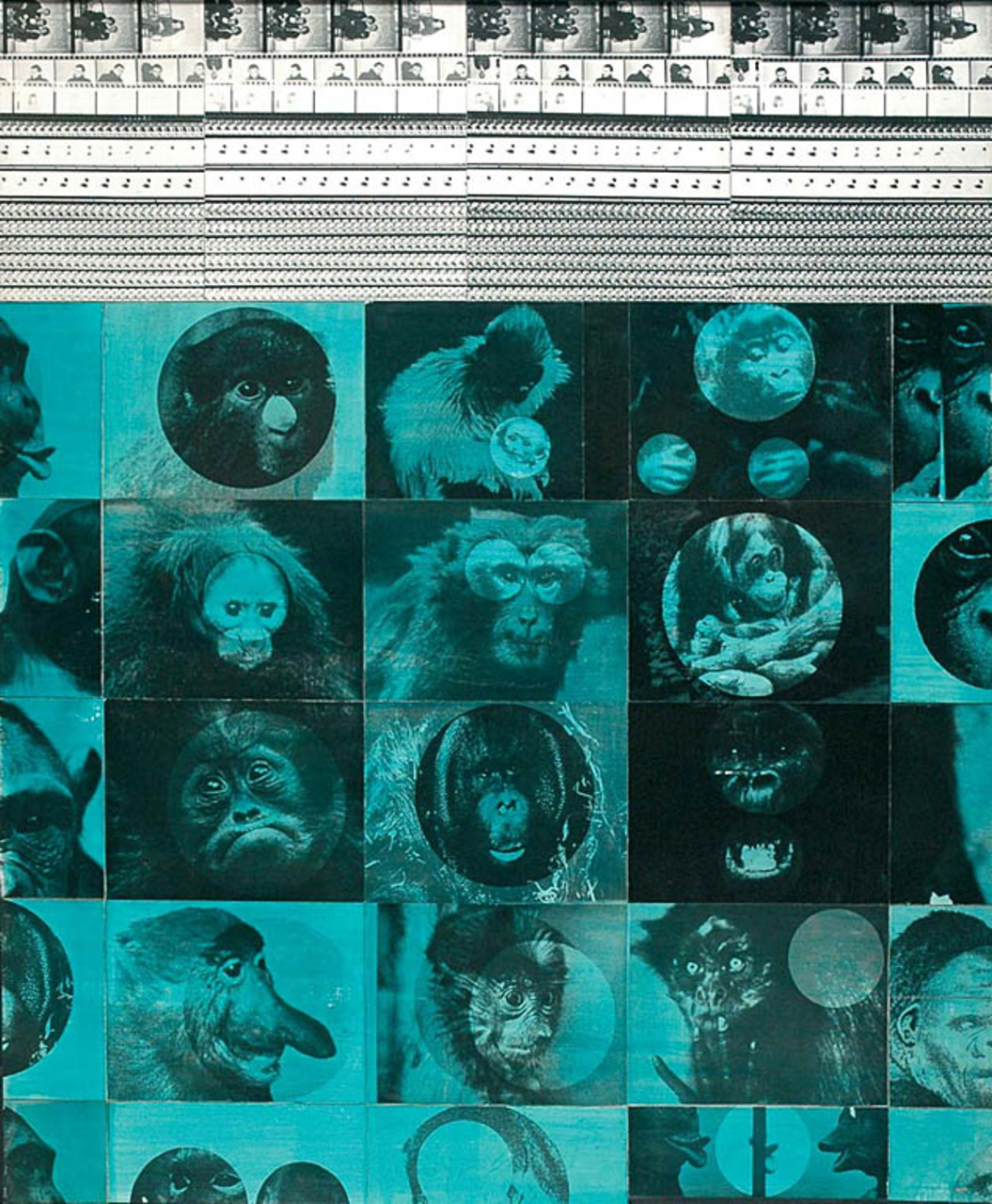
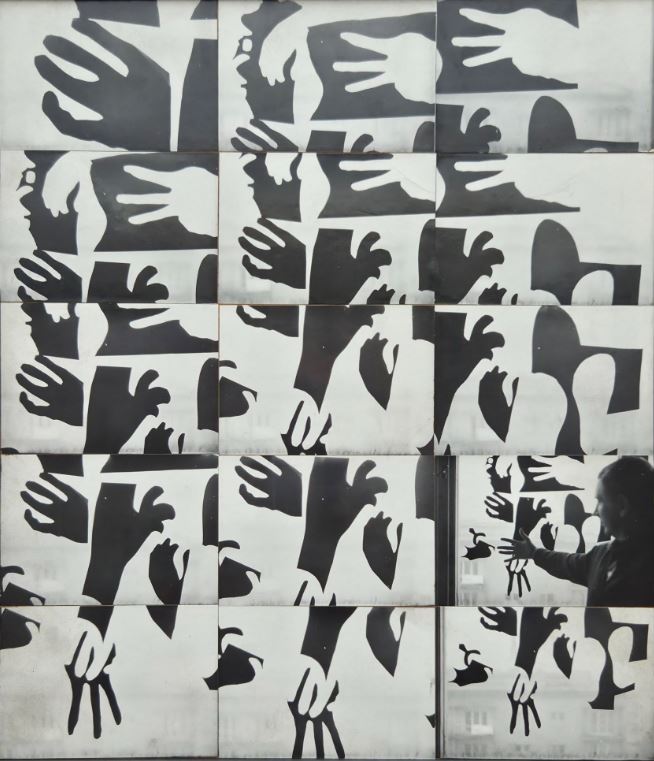
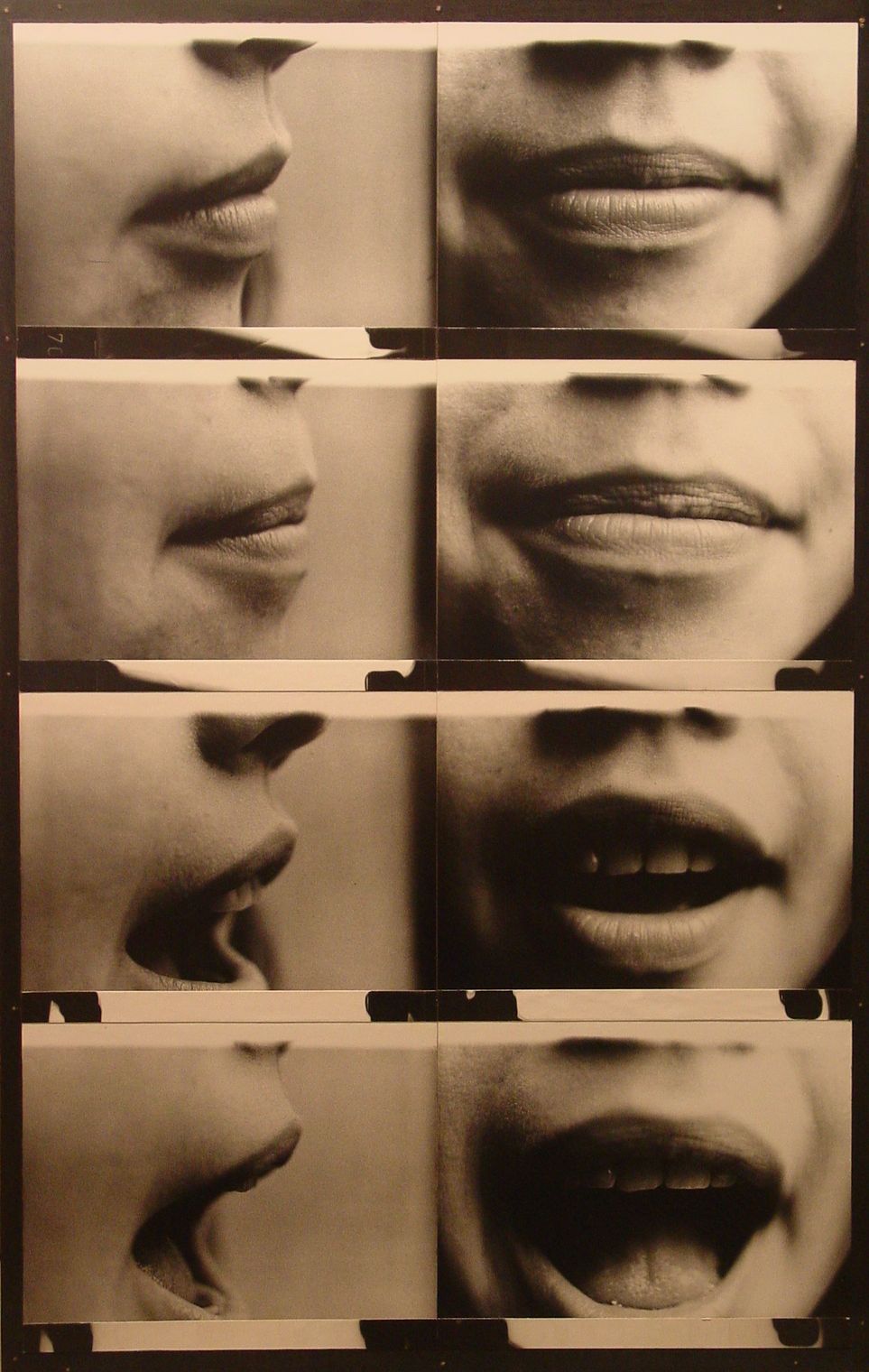
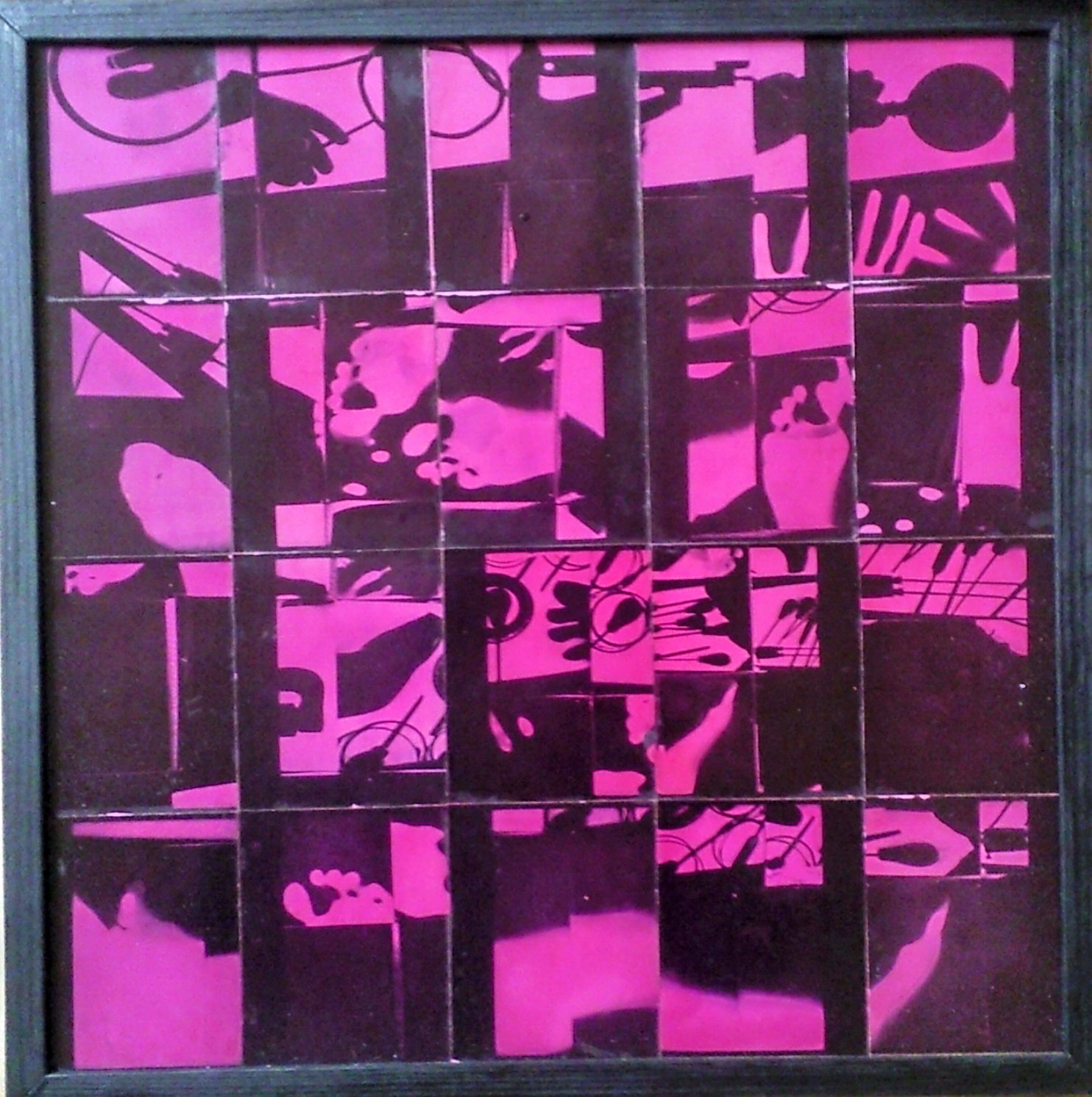
In the history of photography, the 1970s were a time of both ascetic conceptual art and its antithesis: poeticized expression that exploited multiplicity. The latter trend would primarily manifest formally in conglomerates of photographic images. It was that particular current that Ireneusz Pierzgalski embraced in 1968, producing works (such as Monkeys) which stood out thanks to his unique approach to creating something innovative from photographic prints.
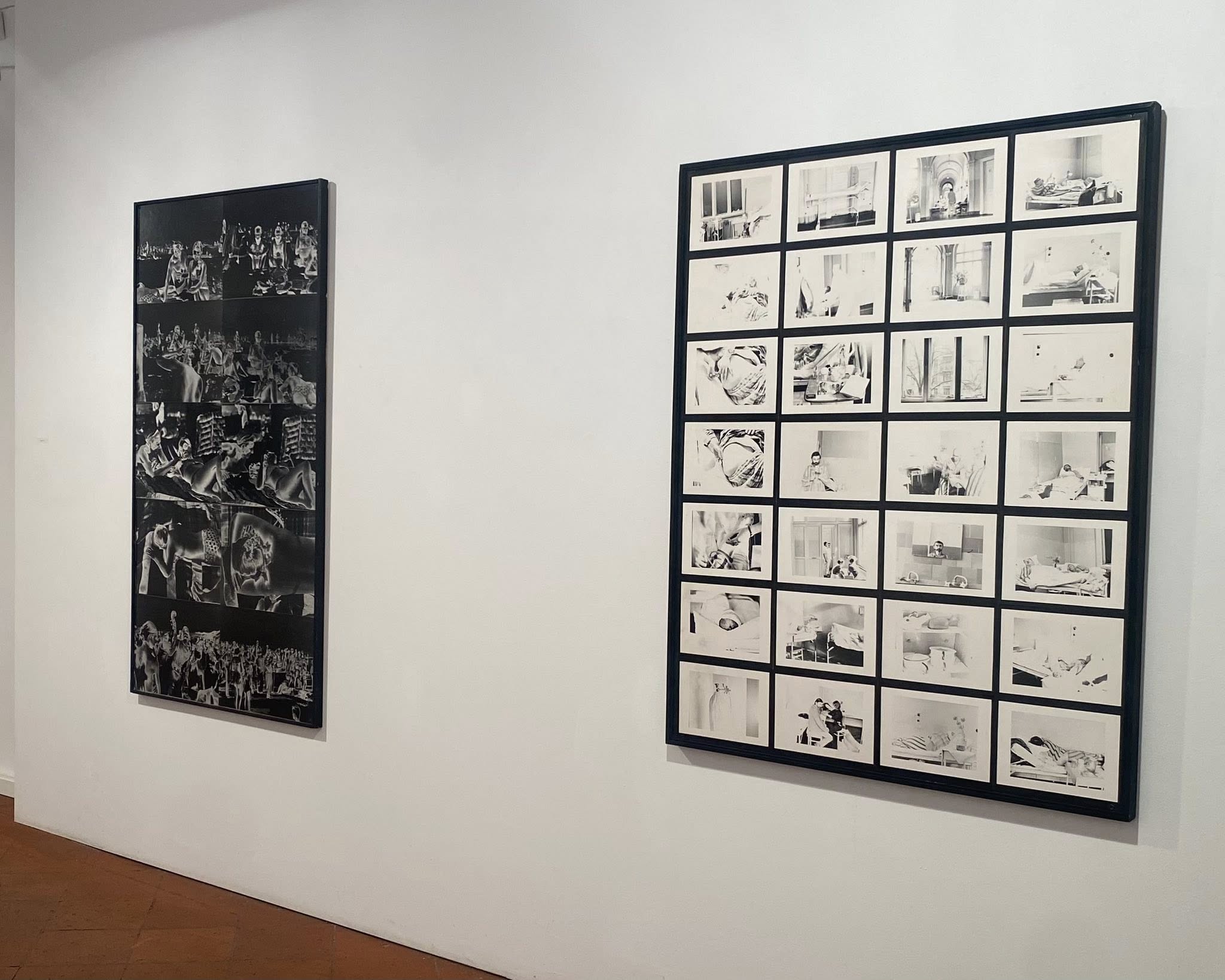
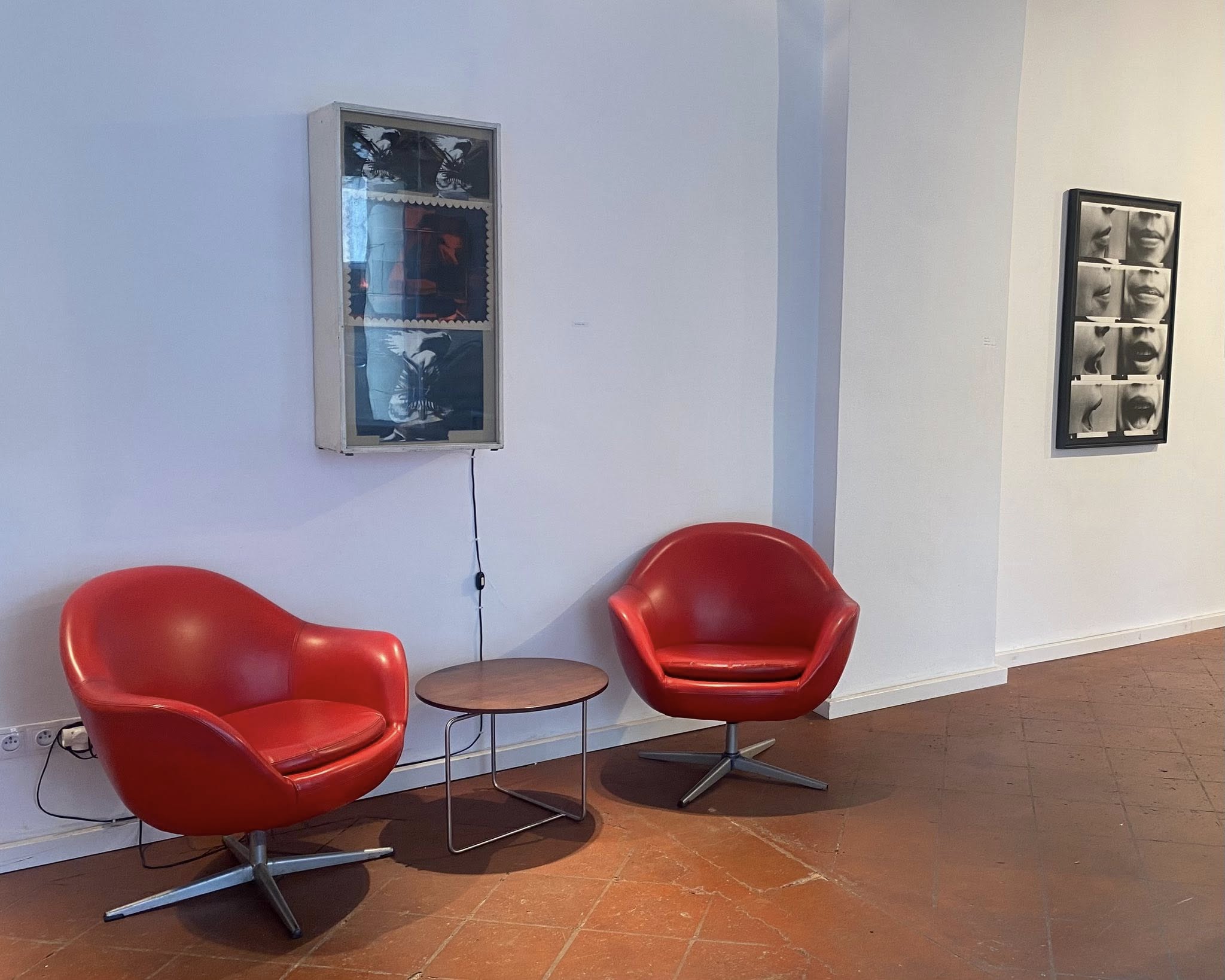
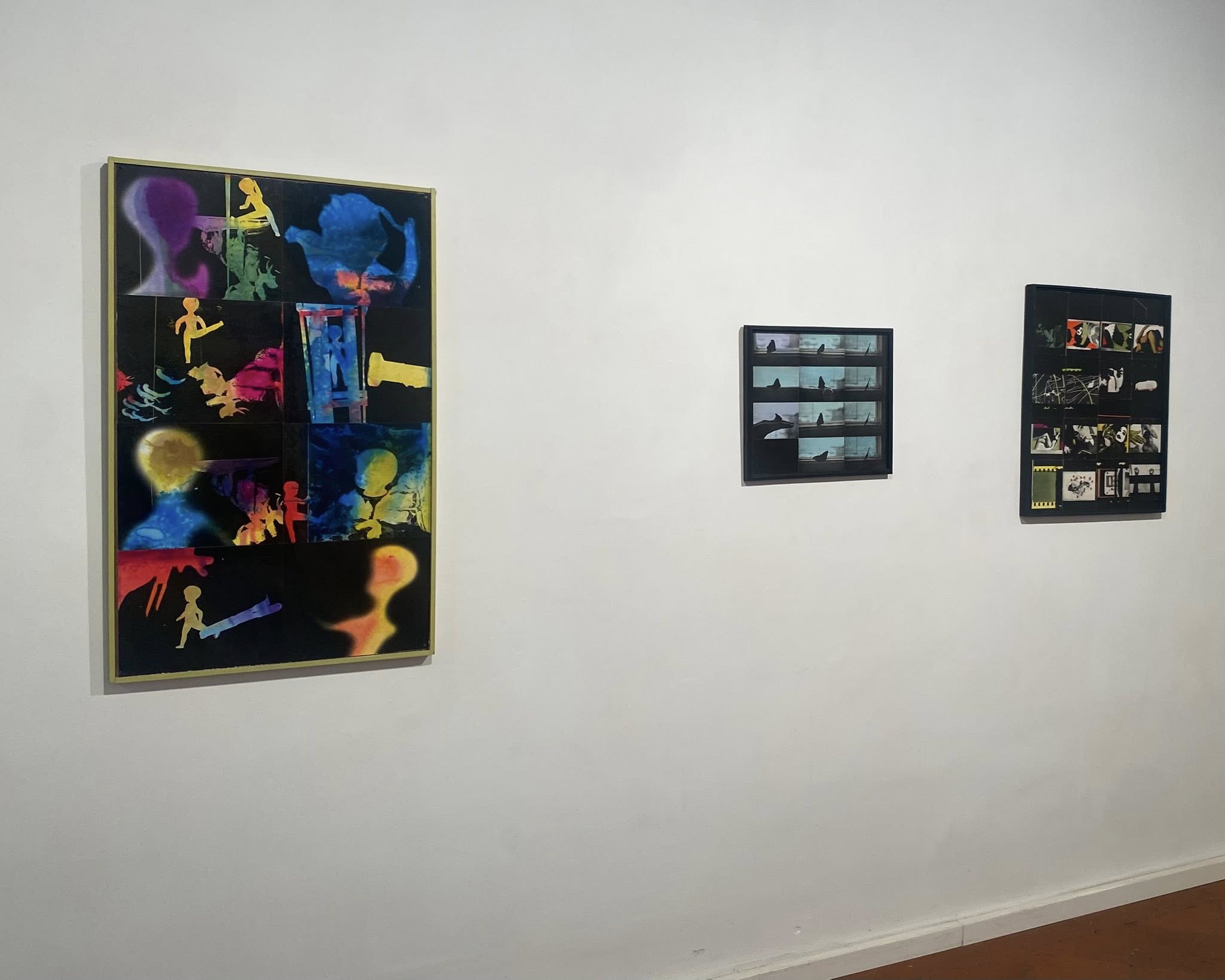
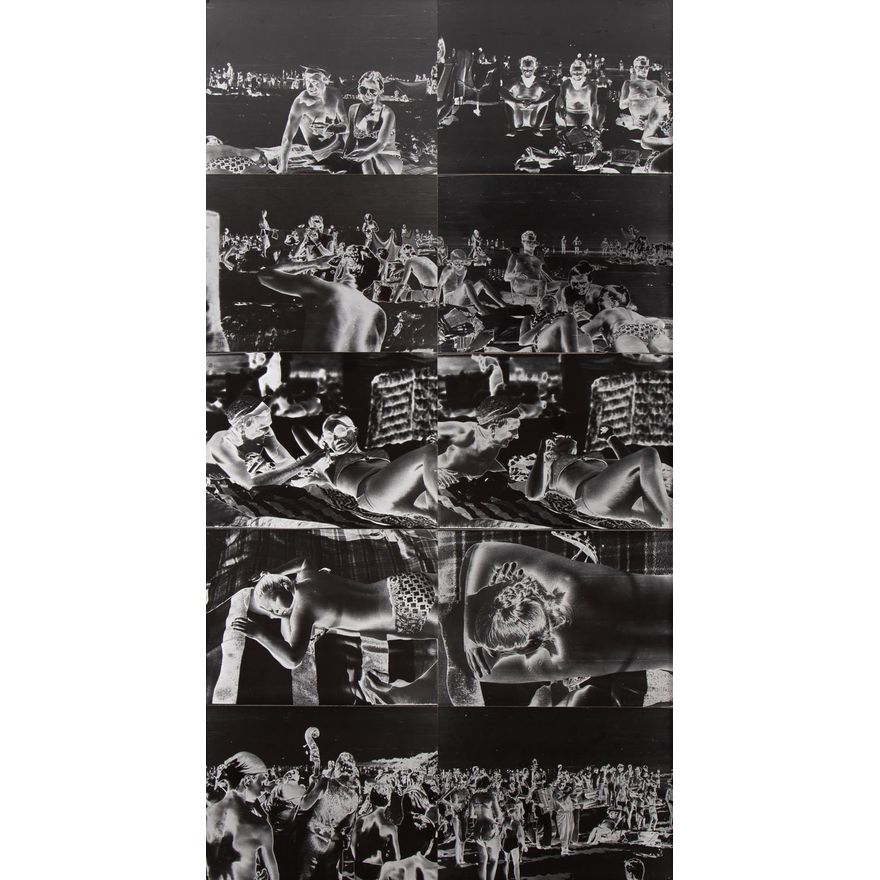
Urszula Czartoryska describes Pierzgalski’s “photographic paintings” as “a montage—ultimately completed on a single large-format photograph, composed of many frames of the artist’s negatives.” Here, Pierzgalski would use at least several closely combined smaller and larger photographs, at times overlapping or irregularly arrayed elsewhere. They were assembled in accordance with the poetics of the “sheet” of contact prints. That was a genuinely pioneering technique that inspired other creators to carry out projects following the same form.
The “photographic paintings” served Pierzgalski to explore the conceptual potential that the technique he devised could offer. The subtle changes in objects, people, and spaces thus captured were simultaneously a means of emotionally charged documentation and conceptual recordings which drew on the clash between the real and the abstract or theoretical (e.g. optics as a branch of physics in a series of photographs that documents the dynamic movement of objects). Moreover, the prints were also always linked by something that was concrete and visually unmistakable—the subject/object photographed (e.g. monkeys, an armchair), attire (e.g. the artist’s friends wearing the same caps), or composition (a series of family portraits). However, does such an approach ultimately unites or sets things apart? After all, to complete such a project, the photo sessions had to be divided by “entirely random intervals of time” whose goal was nevertheless to deliver a coherent concept involving certain “similarities”, objects, and motifs that shared a “kinship” with one another.
Describing his reception of Pierzgalski’s work, Andrzej Łobodziński observed that “the appeal of photography lies largely in the fact that extreme moments—the past and the present—manifest before our eyes together, causing the shock of the passing time.” This “paradoxical time of photography” was something of which the creator of “photographic images” took masterful advantage. It remained a constant motif and subject of the artist’s creative interests: “One could say that nearly all of the works in which he uses photography as a means of artistic expression, are variations on the theme of the passage of time.”
In Pierzgalski’s works, sight is the key medium through which to perceive the world—a world that is impermanent and ever-changing. And yet, what we see is volatile, at odds with what one is all too eager to accept as fact, as the status quo. The structure of the artist’s works resembles “dreamscapes”—“associations of isolated facts and improbabilities, a distortion of the colour scheme into the extremely fiery or blurred and nebulous.” They blend the private with the encyclopedic, mix experience with fiction. The underlying creative method did involve motifs from the artist’s own life (e.g. a hospital stay, his daughter’s childhood, travel memories…), in a manner “from the thresholds of emotionality” and in the form of a “paradoxical, meticulous recording.”
Pierzgalski’s “photographic images” are situated in a liminal space between visual art and photographic film, between a cinematic frame and the painterly power to materialize what belongs to the realm of imagination (embodied in the dreamscape-like quality). The innovativeness of the artist’s work is close and familiar—not only because of his Polish background. Above all, this is due to his ability to create lyrical and poignant works of a profoundly personal nature. Works that dwell “within the realm of unique personality”, thanks to which the viewers may identify with the universal, personal experiences represented in the photographs.
Co-financed by the City of Poznań.